What I Learned About Money When My Job Disappeared
Losing my job was a gut punch, but the real shock came later—how fast my savings vanished. I’d always assumed I was financially careful, but without income, every expense felt like a crisis. That’s when I realized: knowing how to spot financial risks isn’t just for investors. It’s survival when you’re in a career gap. This is how I rewired my thinking, protected what I had, and stayed afloat—without panic or poor choices. The experience taught me that financial security isn’t measured by income alone, but by preparedness, clarity, and the ability to adapt when life pulls the rug out from under you. What began as a setback became one of the most transformative financial lessons of my life.
The Wake-Up Call: When Income Stops, Everything Changes
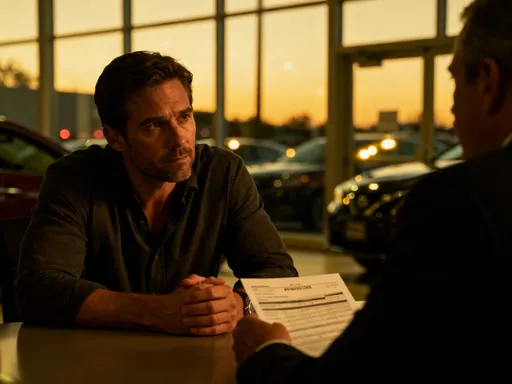
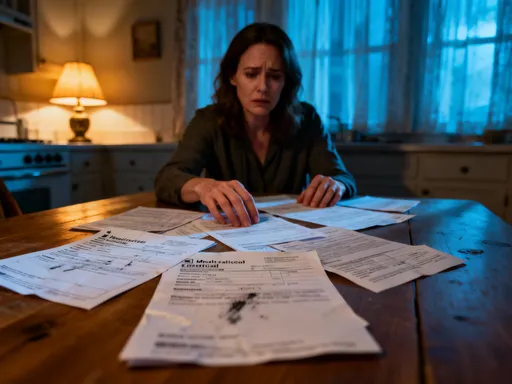
The first week after losing my job, I told myself it was just a pause. I’d been laid off, not fired, and I assumed offers would come quickly. My resume was strong, my experience solid. But as the weeks stretched into months, the emotional and financial ground beneath me began to shift. The paycheck that once arrived like clockwork was gone, and with it, the rhythm of stability. Every bill, every grocery run, every unexpected car repair now carried weight—each decision felt like it could tip the balance toward disaster. That’s when I realized the real danger wasn’t the job loss itself, but the illusion that I was still financially safe.
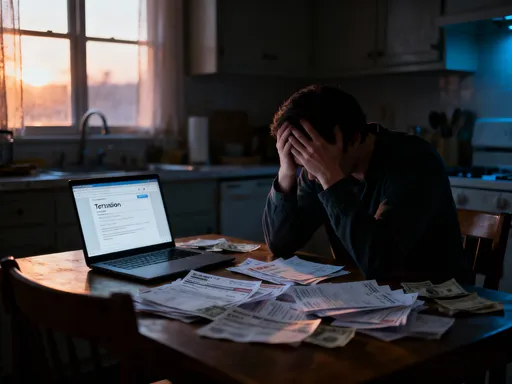
Psychologically, the impact was immediate. At first, denial set in. I told myself I’d find something soon, so there was no need to panic. I kept up my usual spending—dining out, weekend trips, even a new pair of shoes “to boost morale.” But morale isn’t sustainable. Within two months, I watched my savings drop faster than I’d imagined. The shift from earning to surviving was subtle but total. I wasn’t managing money anymore—I was reacting to it. The emotional toll deepened: anxiety crept in, sleep became erratic, and every job rejection felt like a personal failure. What I didn’t understand then was that financial stress amplifies emotional stress, and the two feed off each other in a destructive loop.
This transition—from active earner to financial defender—is one most people aren’t prepared for. We plan for retirement, for vacations, for home upgrades, but rarely for the sudden absence of income. Yet, in today’s economy, career gaps are increasingly common. Layoffs, industry shifts, health issues, or caregiving responsibilities can interrupt income at any time. The key lesson I learned was that financial preparedness isn’t just about saving money—it’s about shifting mindset. When income stops, your role changes. You’re no longer building wealth; you’re preserving it. You must switch from growth mode to defense mode, and that requires awareness, discipline, and a clear plan. Without that shift, even a healthy savings account can evaporate in months.
Hidden Risks in Plain Sight: What Most People Overlook
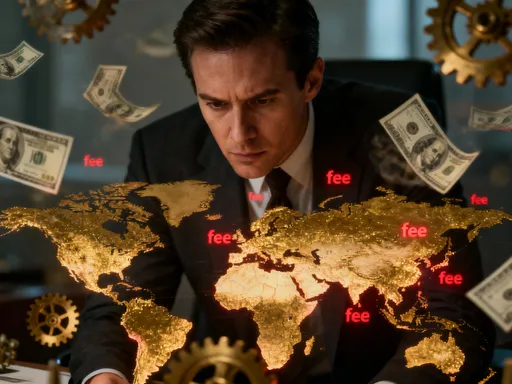
One of the most surprising revelations during my job gap was how much of my money was quietly disappearing. I thought I had a handle on my budget, but I hadn’t accounted for the small, automatic drains that add up over time. Subscriptions—streaming services, gym memberships, cloud storage—were still charging every month, even though I wasn’t using half of them. Auto-payments for insurance, utilities, and even charity donations continued without my active consent. These weren’t large amounts individually, but together, they amounted to hundreds of dollars a month leaking from my account like a slow drip from a faucet. In times of steady income, these expenses were invisible. In times of financial strain, they became glaring vulnerabilities.
Another hidden risk was lifestyle creep—the gradual increase in spending that happens over time without conscious awareness. I’d upgraded my phone plan, started ordering groceries online, and signed up for premium delivery services. These conveniences had become normal, but they weren’t essential. When my income disappeared, I realized how much of my budget was tied to comfort, not necessity. The false sense of security provided by credit cards made it worse. I had a card with a high limit and a good credit score, so I told myself I could “bridge the gap” if needed. But credit isn’t income. It’s borrowed time, and the longer you rely on it, the deeper the hole becomes.
Many people assume an emergency fund is enough protection, but that’s only true if you understand your true financial exposure. An emergency fund isn’t a magic shield—it’s a temporary buffer. If you don’t know where your money is going, that buffer will shrink faster than expected. The real danger lies in the habits we don’t question: the monthly app subscriptions we forgot we signed up for, the automatic renewals we never cancel, the “small” expenses that feel harmless until they’re all you can see. These are the financial landmines that detonate during a career pause. Recognizing them isn’t about guilt or shame—it’s about awareness. Once you see them, you can disarm them.
Mapping Your Financial Exposure: A Step-by-Step Check
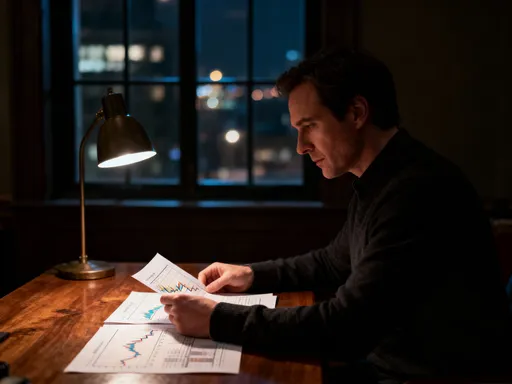
The turning point in my financial recovery came when I stopped guessing and started tracking. I sat down with three months of bank and credit card statements and began listing every single outflow. At first, it was overwhelming. There were charges I didn’t recognize, recurring fees I’d forgotten about, and duplicate subscriptions I’d signed up for during free trials. But as I categorized each expense—housing, utilities, food, transportation, subscriptions, debt payments—I began to see the full picture. For the first time, I had a clear map of my financial exposure. This wasn’t just a budget; it was a diagnostic tool.
The exercise revealed two critical insights. First, I could clearly separate needs from wants. Needs were non-negotiable: rent, basic groceries, health insurance, minimum debt payments. Wants were everything else—dining out, entertainment, travel, premium services. The distinction seemed obvious, but in practice, many “wants” had been disguised as “needs.” Second, I identified my pressure points—those expenses that, if missed, would trigger serious consequences. Rent was at the top. Missing a payment could lead to eviction. Next was my car insurance; driving without coverage was illegal and risky. Then came credit card minimums—falling behind could damage my credit score for years.
With this map in hand, I created a simplified monitoring system. I used a spreadsheet to project my monthly outflows and compared them to my remaining savings. I calculated how many months I could survive at my current burn rate. The number was sobering—less than six months. That gave me a deadline. I wasn’t just managing money; I was managing time. The clarity this brought was powerful. Instead of reacting to each bill as it arrived, I could anticipate shortfalls and adjust proactively. I set up alerts for large payments and reviewed my spending weekly. This wasn’t about perfection—it was about visibility. When you know exactly where your money is going, you’re no longer at the mercy of surprise expenses or emotional spending. You’re in control.
The Buffer Strategy: Extending Runway Without Sacrificing Dignity
Once I had a clear picture of my financial exposure, I turned to the next challenge: how to stretch my savings. Cutting costs is often framed as a sacrifice, but I learned it doesn’t have to be. The goal wasn’t to live in deprivation, but to extend my financial runway in a sustainable way. I focused on smart reductions—changes that made a real difference without eroding my mental well-being. The first step was renegotiating fixed costs. I called my internet and phone providers and asked for lower rates. I was surprised how often they offered discounts to retain customers. I switched to a cheaper data plan and downgraded my streaming services to the basic tier. These weren’t drastic cuts, but they saved over $100 a month.
Next, I paused non-essentials. I suspended my gym membership and used free online workouts instead. I canceled subscriptions I hadn’t used in the past three months. I stopped ordering food delivery and cooked at home more often. I didn’t eliminate enjoyment—just redirected it. A $15 takeout meal became a $5 home-cooked dinner with a movie I already had access to. These trade-offs weren’t painful; they were empowering. Each small change felt like a win, a way to take back control. I also leveraged existing assets. I sold unused electronics, clothes, and furniture through online marketplaces. This brought in a few hundred dollars and cleared space in my home—two benefits for one effort.
The key was sustainability. I didn’t try to cut everything at once. That kind of extreme austerity is hard to maintain and often leads to burnout. Instead, I made gradual, realistic adjustments. I allowed myself small pleasures—a coffee once a week, a low-cost outing with friends—so I didn’t feel isolated or deprived. The goal wasn’t to live poorly, but to live intentionally. Over time, these changes compounded. My monthly outflow dropped by nearly 30%, extending my runway from six months to nearly nine. That extra time gave me breathing room to search for jobs without panic, to upskill, and to make thoughtful decisions. Financial resilience isn’t about living with less—it’s about living with purpose.
Income Gaps Aren’t Forever—But Mistakes Can Be
One of the most dangerous moments in a financial crisis is the temptation to make a quick fix. When money is tight and uncertainty is high, it’s easy to justify short-term decisions that carry long-term consequences. I had friends who took out high-interest personal loans to cover rent. Others dipped into retirement accounts, not realizing the tax penalties and lost growth. Some sold investments at a loss just to stay afloat. I understood the pressure, but I also saw the cost. These choices might solve today’s problem, but they often create tomorrow’s crisis. The truth is, income gaps are temporary, but financial mistakes can linger for years.
I was tempted to use my credit card for groceries and utilities. It would have been easy—just swipe and worry later. But I knew that “later” would come with interest rates over 20%. A $1,000 charge could cost $1,300 or more by the time I paid it off. That wasn’t a solution; it was a delay. I also considered cashing out a portion of my investment portfolio. The market was down, and selling then would have locked in losses. I reminded myself that investing is a long-term game. Selling under pressure turns paper losses into real ones. Patience, though difficult, was the smarter strategy.
Instead of chasing quick fixes, I focused on discipline. I stuck to my revised budget. I explored low-cost income options—freelance work, tutoring, online surveys—not to get rich, but to cover small expenses and keep cash flowing. I avoided anything that felt risky or unsustainable. I also reached out to trusted friends and family for emotional support, which helped reduce the isolation that often leads to poor decisions. The most important lesson was this: financial survival isn’t about dramatic moves. It’s about consistency, patience, and the courage to do nothing when the impulse is to act. By avoiding traps, I preserved my financial foundation. When my next job offer came, I wasn’t starting from a deeper hole—I was standing on solid ground.
Building Resilience: Habits That Protect You Next Time
Losing my job was painful, but it was also a teacher. It exposed the gaps in my financial habits and forced me to build stronger ones. One of the most lasting changes was creating a leaner baseline budget. Now, I define my essential expenses—the absolute minimum I’d need to survive if income stopped. This number is far lower than my pre-job-loss spending, and it gives me a clear target for emergency savings. I aim to keep my emergency fund at six to nine months of this lean budget, not my previous lifestyle. This makes the goal more achievable and more realistic.
I also redefined what an emergency fund is for. It’s not for vacations or upgrades—it’s for true emergencies, like job loss, medical issues, or major repairs. I keep it in a separate, high-yield savings account, so it’s accessible but not tempting to spend. I review it quarterly and adjust as my expenses change. Another habit I’ve adopted is the “financial fire drill.” Twice a year, I simulate a three-month income gap. I track what I’d cut, how long my savings would last, and what backup options I’d have. This isn’t about fear—it’s about preparedness. Just like fire drills in schools, it builds muscle memory for crisis.
Finally, I’ve normalized financial check-ins. I review my spending, subscriptions, and financial goals every month. I unsubscribe from services I don’t use. I renegotiate bills when possible. I track my net worth not to feel rich, but to stay aware. These habits aren’t burdens—they’re safeguards. They’ve made me more resilient, not just financially, but emotionally. I no longer assume stability. I plan for disruption. And in doing so, I’ve gained a sense of control that no paycheck can provide.
Staying Calm, Staying Smart: The Mindset That Wins
In the end, the biggest factor in surviving my job loss wasn’t money—it was mindset. Financial stress clouds judgment. It makes small problems feel catastrophic and long-term thinking nearly impossible. What helped me most was creating structure. I set a daily routine: job applications in the morning, skill-building in the afternoon, a walk in the evening. I celebrated small wins—finishing a course, getting an interview, sticking to my budget for a week. These moments of progress kept me grounded.
Mindfulness also played a role. I practiced breathing exercises and journaling to manage anxiety. I reminded myself that job loss isn’t a measure of worth. I focused on what I could control—my actions, my habits, my attitude—rather than what I couldn’t—the economy, hiring timelines, or other people’s decisions. This shift didn’t eliminate stress, but it reduced its power over me.
Risk awareness isn’t about living in fear. It’s about living with clarity. It’s understanding that financial security isn’t a destination, but a practice. It’s knowing that setbacks will come, but they don’t have to define you. With the right tools and mindset, a career pause can become a period of growth, not collapse. It can teach you resilience, discipline, and the quiet strength that comes from knowing you can handle whatever comes next. I didn’t just survive my job loss—I emerged stronger, wiser, and more prepared for whatever the future holds.