What No One Tells You About Healing After Baby
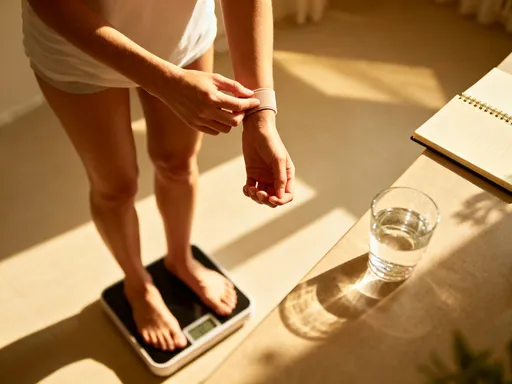
After having my baby, I thought recovery was just about shrinking back into my old jeans. But real postpartum healing goes way deeper. It’s not just physical—it’s emotional, mental, and deeply personal. I learned that true wellness means listening to my body, not pushing it. This journey reshaped my entire view of health. If you're navigating life after birth, you're not alone—and there’s a better way forward. Healing isn’t a checklist or a timeline imposed by doctors or social media. It’s a quiet, often invisible process that requires patience, support, and a fundamental shift in how we understand recovery. This article explores what truly matters in the months after childbirth—beyond the surface, beyond the myths, and into the heart of long-term well-being.
The Hidden Truths of Postpartum Recovery
Many women are told that postpartum recovery lasts six weeks—that after a brief checkup, they’re “cleared” to return to normal life. But the reality is far more complex. The body undergoes profound transformations during pregnancy and birth, and healing from these changes takes time, often extending well beyond the traditional six-week window. Core muscles stretch and sometimes separate, a condition known as diastasis recti. The pelvic floor, which supports the bladder, uterus, and bowels, becomes weakened or overstretched. Hormonal fluctuations continue to shift mood, energy, and physical function for months. These are not temporary inconveniences—they are biological realities that require intentional care.
Yet, societal expectations often push new mothers to resume pre-pregnancy routines too soon. Returning to intense workouts, demanding work schedules, or household responsibilities without proper recovery can lead to long-term complications. For example, jumping into high-impact exercise before the core and pelvic floor have healed may worsen diastasis recti or contribute to pelvic organ prolapse. Ignoring persistent fatigue or pain can delay tissue repair and increase the risk of chronic discomfort. The idea that healing is simply about appearance—such as losing baby weight or fitting into old clothes—overlooks the deeper work the body is doing beneath the surface.
True postpartum recovery is not measured by speed but by restoration. It involves rebuilding strength from the inside out, restoring alignment, and honoring the body’s natural pace. This means allowing time for tissues to heal, supporting hormonal balance, and recognizing that every woman’s journey is different. Some may recover more quickly; others may need months of gentle care. What matters most is not how fast a woman returns to her previous self, but how well she supports her body in becoming stronger, more resilient, and more attuned to its needs. Healing is not about erasing the changes of motherhood, but integrating them into a new, sustainable state of health.
Mind Over Myth: Shifting Your Postpartum Mindset
The pressure to “bounce back” after childbirth is pervasive. Magazines, social media, and even well-meaning comments from friends often celebrate how quickly a new mother can resume her pre-baby life. But this narrative can be deeply harmful. It creates unrealistic expectations that equate worth with appearance or productivity, leaving many women feeling inadequate when they struggle with fatigue, emotional shifts, or physical limitations. The truth is, recovery is not a performance. It’s a process—one that requires mental resilience as much as physical care.
Guilt is a common emotion in the postpartum period. Women may feel guilty for needing rest, for not enjoying every moment with their baby, or for asking for help. These feelings often stem from cultural myths that glorify self-sacrifice and downplay the challenges of early motherhood. But self-compassion is not indulgence—it’s essential. Research shows that women who practice self-kindness during recovery report lower stress levels, better emotional regulation, and greater overall well-being. Accepting that healing takes time, that setbacks are normal, and that rest is productive can transform the postpartum experience from one of pressure to one of presence.
Another important shift is redefining identity beyond motherhood. While becoming a mother is a profound role, it does not erase a woman’s individuality. Maintaining a sense of self—through hobbies, friendships, or personal goals—supports mental health and prevents burnout. This doesn’t mean striving for perfection in every area of life. Instead, it means making small, meaningful choices that honor both the role of mother and the person behind it. Setting realistic goals—such as taking a five-minute walk, drinking enough water, or pausing to breathe deeply—can build confidence and reduce the sense of overwhelm. The postpartum mindset should not be about doing more, but about being kinder—to the body, to the emotions, and to the self.
Fueling Healing from the Inside: Nutrition That Supports Recovery
Nutrition plays a critical role in postpartum healing, yet it is often overlooked or reduced to weight loss goals. In reality, the body needs specific nutrients to repair tissues, restore energy, and balance hormones—especially if a woman is breastfeeding. Protein is essential for rebuilding muscle and connective tissue. Healthy fats support brain function, hormone production, and satiety. Fiber aids digestion, which can be sluggish after birth, and hydration is crucial for milk supply, energy, and overall cellular function. A balanced diet during this time is not about restriction, but about nourishment.
Blood sugar stability is another key factor. Fluctuating energy levels and mood swings are common in the postpartum period, and diet plays a major role in regulating these. Eating regular meals that combine protein, healthy fats, and complex carbohydrates helps maintain steady energy and reduces irritability or fatigue. Skipping meals or relying on sugary snacks may provide a brief boost, but often leads to crashes that worsen exhaustion. For busy mothers, simple strategies like preparing overnight oats, keeping hard-boiled eggs on hand, or assembling quick protein-rich salads can make healthy eating more manageable.
Restrictive diets, especially in the early months, can hinder recovery. The body needs calories to heal and, if breastfeeding, to produce milk. Severely limiting intake may slow tissue repair, reduce energy, and affect mood. Instead of focusing on weight loss, the priority should be on nutrient density—choosing foods that provide maximum benefit with minimal effort. Foods like leafy greens, eggs, nuts, legumes, and whole grains are not only nutritious but also easy to incorporate into a hectic routine. Listening to hunger cues and eating mindfully—without guilt—supports both physical recovery and emotional well-being. Nutrition is not a punishment; it’s a form of care.
Movement That Honors Your Body’s Journey
Exercise after childbirth should not be about reclaiming fitness, but about reconnecting with the body. The early postpartum period is not the time for intense workouts or core crunches. Instead, movement should be gentle, intentional, and focused on restoring function. Walking is one of the most effective and accessible forms of early exercise. It improves circulation, supports mood, and gently strengthens the cardiovascular system without placing strain on healing tissues. Deep breathing exercises, often used in prenatal classes, also play a vital role. They help re-engage the diaphragm, support pelvic floor function, and reduce stress.
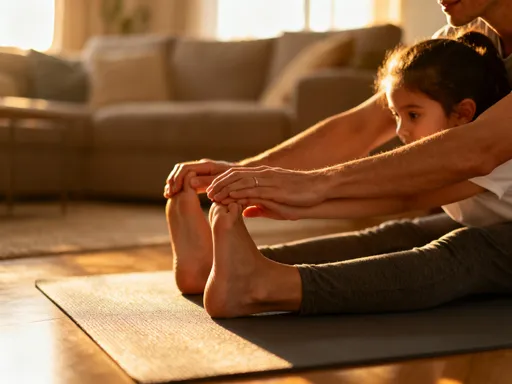
As the body heals, movement can gradually become more structured. Physical therapists often recommend starting with pelvic floor exercises—commonly known as Kegels—once cleared by a healthcare provider. These help restore muscle tone and prevent issues like urinary incontinence. Core rehabilitation is equally important, but it must be done correctly. Traditional abdominal exercises like sit-ups can worsen diastasis recti. Instead, women are encouraged to focus on deep core activation through exercises like gentle transverse abdominal bracing, supported bridges, and modified planks that protect the midline.
The goal of postpartum movement is not to burn calories or achieve a certain look, but to rebuild strength, improve alignment, and regain confidence in the body’s abilities. High-impact activities like running or jumping should be delayed until the pelvic floor and core are fully prepared—often several months postpartum. A women’s health physiotherapist can provide personalized guidance and assessments to ensure safe progression. Movement, when done with awareness and respect, becomes a form of self-respect—a way to honor the body for all it has carried and endured.
Sleep, Stress, and the Healing Hormone Connection
Sleep is one of the most critical yet elusive components of postpartum recovery. Newborns wake frequently, and nighttime feedings disrupt natural sleep cycles. Chronic sleep deprivation affects more than just energy levels—it disrupts hormone balance. Cortisol, the stress hormone, rises when sleep is inadequate, which can impair tissue repair, weaken immunity, and contribute to mood disturbances. At the same time, oxytocin—the “bonding hormone”—is essential for emotional regulation, milk production, and feelings of calm. When stress is high and rest is low, this delicate hormonal balance is thrown off, making recovery more difficult.
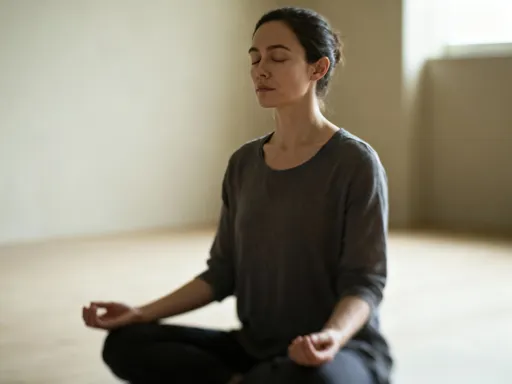
Managing stress is just as important as getting sleep. Mindfulness practices such as deep breathing, gentle stretching, or short meditations can help regulate the nervous system and reduce anxiety. Even five minutes of quiet reflection can lower cortisol levels and improve emotional resilience. Creating small moments of calm—such as sitting with a cup of tea, listening to soothing music, or stepping outside for fresh air—can make a meaningful difference. The key is consistency, not duration. These practices don’t require special tools or time; they simply require intention.
Emotional support is another vital piece. Women who feel supported by their partners, family, or friends report better mental health and faster recovery. Asking for help—whether with household tasks, meal preparation, or baby care—is not a sign of weakness, but a necessary part of healing. When others share the load, a mother gains precious moments of rest and emotional safety. Social connection, even through brief conversations or text messages, can reduce feelings of isolation and increase oxytocin levels. Healing is not a solitary journey; it thrives in the presence of care, connection, and compassion.
When to Seek Help: Recognizing Warning Signs
Some discomfort after childbirth is normal—soreness, fatigue, and emotional fluctuations are common. But certain symptoms should not be ignored. Persistent or worsening pelvic pain, difficulty controlling bladder or bowel movements, or a noticeable bulge in the abdomen may indicate conditions like pelvic organ prolapse or unresolved diastasis recti. These are not rare, and they are treatable—but early intervention leads to better outcomes. Similarly, mood changes that last more than two weeks, include feelings of hopelessness, or interfere with daily functioning may signal postpartum depression or anxiety. These are medical conditions, not personal failures, and they require professional support.
Many women hesitate to seek help, fearing judgment or feeling they should be able to “handle it on their own.” But reaching out is an act of courage and self-care. Doctors, midwives, women’s health physiotherapists, and mental health counselors are trained to support postpartum recovery. A physiotherapist can assess core and pelvic floor function and provide targeted exercises. A therapist can help process emotional challenges and develop coping strategies. Primary care providers can screen for hormonal imbalances or nutritional deficiencies. There is no single “right” type of help—what matters is finding the right support for individual needs.
Education is key to recognizing when help is needed. Normal recovery includes gradual improvement over time. If symptoms remain the same or worsen, or if daily functioning is affected, it’s time to consult a professional. Women should not wait until they are in pain or overwhelmed. Preventative care—such as a postpartum physiotherapy assessment even without symptoms—can identify issues early and prevent long-term complications. Seeking help is not a sign of failure; it’s a sign of strength, awareness, and commitment to long-term health.
Building a Sustainable Postpartum Lifestyle
Long-term wellness after childbirth is not about dramatic changes, but about small, consistent choices. It’s about creating a daily rhythm that supports healing without adding pressure. This means integrating nutrition, movement, rest, and emotional care into a routine that feels manageable, not overwhelming. Progress, not perfection, should be the guiding principle. Some days will be harder than others—and that’s okay. What matters is returning to balance, not maintaining it perfectly every moment.
A sustainable postpartum lifestyle includes practical habits: drinking water first thing in the morning, taking short walks when possible, preparing simple meals in advance, and setting boundaries to protect rest time. It also means prioritizing mental well-being—pausing to breathe, journaling thoughts, or connecting with other mothers who understand the journey. Support systems, whether formal or informal, play a crucial role. Joining a postpartum group, talking to a trusted friend, or scheduling regular check-ins with a healthcare provider can provide ongoing encouragement and accountability.
Most importantly, this phase of life should be seen not as a temporary hurdle, but as a foundational chapter in a woman’s health story. The choices made in the months after birth—how she treats her body, how she manages stress, how she seeks support—set the tone for years to come. Healing is not about returning to who she was before, but about evolving into a stronger, more resilient version of herself. It’s a journey that deserves patience, care, and deep respect. And for every woman walking this path, there is hope: healing is possible, support is available, and she is not alone.