How I Tamed My Mind: A Real Talk on Using Meditation to Manage Chronic Stress
Ever feel like your body’s fine, but your mind’s stuck in overdrive? I’ve been there—juggling life, health, and constant worry. That’s when I discovered meditation wasn’t just about calm—it’s a system that helps manage how I respond to illness and stress. No magic, no hype. Just real shifts in focus, mood, and resilience. If you're dealing with ongoing health issues, this might be the missing piece. It’s not about escaping reality, but learning to meet it with steadier breath and a clearer mind. What began as a last resort became a daily practice that reshaped how I experience both stress and healing.
The Breaking Point: When Stress Made My Symptoms Worse
For years, I thought I was managing well. I kept up with work, took care of my family, and followed doctor’s advice about my health condition. But beneath the surface, something was fraying. I had been diagnosed with a chronic autoimmune disorder, and while medication helped control the physical symptoms, I noticed a pattern: every time life felt overwhelming, my body reacted. Fatigue deepened, joint pain flared, and sleep became elusive. It wasn’t just coincidence—it was stress amplifying my condition in ways I hadn’t fully understood.
Looking back, the signs were there. I’d lie awake at night replaying conversations, worrying about the future, or feeling guilty about not doing enough. My thoughts raced like a treadmill set too high. I was physically present but mentally exhausted. Then came a particularly rough week—after a family emergency, I found myself bedridden for days, not from the illness itself, but from the toll stress had taken. That was my breaking point. I realized I couldn’t rely solely on medication. I needed to address the mental and emotional load I was carrying every day.
It wasn’t that I lacked willpower or discipline. I simply hadn’t recognized how deeply stress was wired into my body’s responses. The turning point came when my doctor gently suggested that emotional regulation might be as important as physical treatment. She didn’t dismiss my symptoms—instead, she framed stress as a trigger, not just a side effect. That conversation opened the door to something I had long overlooked: the power of the mind in managing chronic health conditions. I wasn’t looking for a miracle, but I was ready to try anything that might help me regain control.
Meditation Isn’t Just “Feeling Zen”—It’s a Daily System
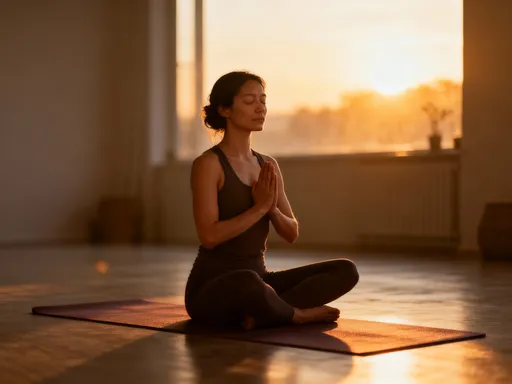
When I first considered meditation, I pictured someone sitting cross-legged on a mountain, completely at peace. That image felt unattainable, even a little silly. I thought, How can sitting quietly fix anything? But I’ve learned that meditation isn’t about achieving perfect stillness or escaping emotions. It’s a practical, accessible system for training the mind to respond differently to stress. It’s not a quick fix, but a daily practice that builds resilience over time—like strengthening a muscle you didn’t know you had.
Meditation, at its core, is the practice of paying attention on purpose. It’s about noticing your thoughts, feelings, and bodily sensations without immediately reacting to them. This kind of awareness is especially powerful for people dealing with chronic illness, where the cycle of pain, worry, and fatigue can feel inescapable. By creating space between stimulus and response, meditation allows you to interrupt automatic stress reactions—like the surge of anxiety when a symptom appears or the frustration when plans fall apart.
What changed for me was shifting from seeing meditation as a rare act of relaxation to viewing it as a consistent part of my health routine—just like taking medication or eating well. Consistency matters far more than duration. Five minutes of daily practice is more effective than an hour once a week. Over time, this regularity helps rewire the brain’s stress response, making it easier to stay grounded even during difficult moments. It’s not about eliminating stress entirely—life will always have challenges—but about changing how your body and mind react to them.
How It Works: The Science Behind Calm
You don’t have to take my word for it—there’s real science behind how meditation supports the body during chronic stress. The key lies in understanding the mind-body connection. When we’re under stress, the nervous system activates the “fight-or-flight” response. Heart rate increases, muscles tense, and stress hormones like cortisol flood the bloodstream. This is helpful in short bursts—say, if you need to avoid danger—but when it’s constantly switched on, it takes a toll. For people with chronic conditions, this prolonged state can worsen inflammation, disrupt sleep, and lower pain thresholds.
Meditation works by activating the opposite system: the parasympathetic nervous system, often called the “rest-and-digest” mode. Through focused breathing and mindful awareness, meditation signals the body that it’s safe. Heart rate slows, blood pressure stabilizes, and cortisol levels begin to drop. Studies have shown that regular meditation can reduce markers of inflammation and improve immune function. While it’s not a cure, it helps regulate the body’s response to stress, which in turn can reduce the frequency and intensity of symptom flare-ups.
One of the most compelling findings is how meditation affects the brain itself. Neuroimaging studies show that consistent practice can increase gray matter in areas linked to emotional regulation, self-awareness, and attention. It also weakens activity in the amygdala, the brain’s fear center. This doesn’t mean emotions disappear—but they become less overwhelming. You start to notice anxiety or frustration without being consumed by them. For someone managing a chronic condition, this shift can be life-changing. Instead of reacting to pain with panic, you might observe it with curiosity and compassion. That small pause can prevent a minor symptom from spiraling into a full-blown crisis.
My 4-Part Meditation Framework That Actually Fits Real Life
I won’t pretend I meditated for hours every morning. My life is busy, and some days, just getting out of bed feels like a victory. That’s why I built a flexible, four-part framework that adapts to my energy levels and schedule. It’s not about perfection—it’s about showing up in a way that works. Each component serves a different purpose, and together, they create a balanced approach to mental wellness.
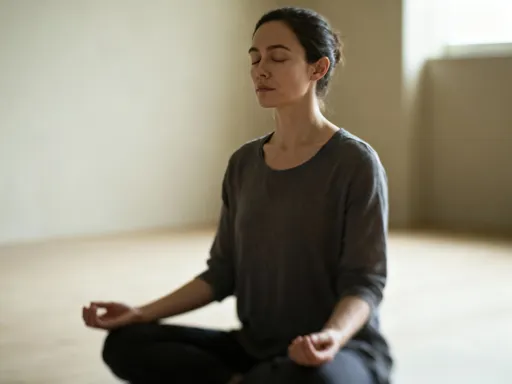
The first part is breathwork. This is the foundation. I start with just three to five minutes of focused breathing—inhaling slowly through the nose, exhaling through the mouth. I don’t force it or aim for a specific rhythm. The goal is simply to anchor my attention to the breath. When my mind wanders (and it always does), I gently bring it back. This practice helps calm the nervous system and creates a sense of stability before the day begins. I often do this in bed before getting up, or during a quiet moment after dinner.
The second element is the body scan. This involves mentally moving through different parts of the body, noticing sensations without judgment. I lie down or sit comfortably and start at my toes, slowly working up to my head. If I feel tension, I don’t try to fix it—just acknowledge it. This practice has helped me become more attuned to early signs of stress or flare-ups. Sometimes, I notice tight shoulders or a clenched jaw before I even realize I’m stressed. That early awareness gives me a chance to respond—maybe by taking a break, stretching, or doing a short breathing exercise.
The third part is guided focus. On days when my mind feels especially scattered, I use short guided meditations. These are audio recordings that walk me through visualizations or mindfulness exercises. They’re like training wheels—they give my mind something to hold onto. I keep a playlist of five- to ten-minute sessions on my phone, so I can use them during a lunch break, on the commute, or while waiting for dinner to cook. The structure helps me stay engaged, especially when I’m too tired to meditate on my own.
The final piece is gratitude pauses. These are brief moments—sometimes just 30 seconds—where I pause to notice something positive. It could be the warmth of sunlight, a kind text from a friend, or the taste of a good cup of tea. I don’t force big emotions; I just allow myself to register the moment. Research shows that gratitude practices can shift brain activity toward more positive emotional states, and I’ve found they help counterbalance the negativity bias that often comes with chronic illness. Over time, these small pauses have helped me cultivate a sense of appreciation, even on hard days.
What Changed After 8 Weeks of Real Practice (Spoiler: Not Overnight Magic)
I won’t lie—nothing transformed overnight. The first two weeks felt awkward. My mind raced, I fell asleep during body scans, and I often forgot to practice altogether. But I kept going, not because I felt amazing, but because I was committed to seeing what would happen. By week three, I started noticing subtle shifts. I was sleeping more deeply. I woke up less frequently during the night, and when I did, I could return to sleep more easily. That alone made a huge difference in my energy levels and mood.
Another change was in how I responded to stress. Before, a minor setback—a delayed appointment, a spilled drink—could send me into a spiral of frustration. Now, I still feel the irritation, but it doesn’t take over. I’ve developed a kind of inner pause. I notice the emotion, take a breath, and choose how to respond. This has been especially helpful in managing pain. Instead of tensing up when discomfort arises, I can acknowledge it and relax around it. That doesn’t make the pain disappear, but it reduces the secondary suffering—the fear, the resistance, the mental struggle.
By the eighth week, I realized I was having fewer panic spikes. These were sudden waves of anxiety that used to hit without warning, leaving me breathless and disoriented. They didn’t vanish completely, but they became less frequent and less intense. I also noticed I was more patient—with myself and others. I stopped beating myself up for needing rest or saying no to plans. I began to see these choices not as failures, but as acts of care. The biggest shift wasn’t in my symptoms, but in my relationship with them. I was no longer at war with my body. I was learning to listen to it, support it, and live alongside it with more grace.
Common Roadblocks (And How I Pushed Through)
Let’s be honest—there were days I wanted to quit. The most common excuse? I don’t have time. When you’re managing a chronic condition, every minute counts. But I learned that meditation doesn’t have to be time-consuming. Even one minute of focused breathing counts. I started attaching it to existing habits—like brushing my teeth or waiting for the kettle to boil. These micro-moments added up and made the practice feel less like a burden.
Another challenge was the belief that I can’t stop thinking. I used to think a “good” meditation was one where my mind went completely blank. That expectation set me up for failure. Now I understand that thoughts are normal. The practice isn’t about stopping them, but about not getting swept away by them. I imagine my thoughts like clouds passing in the sky—visible, but not something I need to hold onto. This shift in mindset made a huge difference. I stopped judging myself for having a busy mind and started appreciating the moments of clarity, however brief.
There were also times when meditation felt pointless. On bad pain days, sitting still felt unbearable. In those moments, I adjusted my practice. Instead of a full session, I might do a two-minute gratitude pause or listen to a soothing guided meditation while lying down. I also reminded myself that progress isn’t linear. Some days are messy, and that’s okay. What mattered was showing up with kindness, not perfection. I learned to treat myself with the same compassion I’d offer a friend going through a hard time.
Making It Yours: Building a Personalized Practice Without Overwhelm
One of the most empowering parts of this journey has been realizing that there’s no single “right” way to meditate. What works for me might not work for you—and that’s perfectly fine. The goal isn’t to follow a rigid routine, but to create a practice that fits your life, energy levels, and needs. Start small. Try two minutes of breathing. See how it feels. If it helps, add another minute the next day. The key is sustainability, not intensity.
You can also match techniques to your symptoms. If you’re feeling anxious or restless, breathwork or guided meditations may help calm the nervous system. If you’re dealing with pain or numbness, a body scan can increase body awareness and reduce tension. If you’re feeling emotionally drained, gratitude pauses or loving-kindness meditations can foster warmth and connection. The idea is to use meditation as a tool kit, not a one-size-fits-all solution.
And remember: meditation is a complement to medical care, not a replacement. If you’re struggling with severe anxiety, depression, or trauma, it’s important to seek support from a qualified mental health professional. Meditation can be a valuable part of treatment, but it shouldn’t be the only one. Think of it as one piece of a larger wellness puzzle—alongside proper medical care, nutrition, movement, and social support.
Over time, this practice has become less of a task and more of a refuge. It’s the quiet moment in the morning before the house wakes up, the deep breath before responding to a stressful text, the pause that helps me reconnect when I feel lost. It hasn’t erased my health challenges, but it has given me a way to carry them with less fear and more presence. If you’re on a similar journey, know this: you don’t have to be perfect. You don’t have to sit for hours or silence your thoughts completely. You just have to begin—wherever you are, with whatever you have. With patience and practice, meditation can become a quiet anchor in the storm, available to anyone willing to try.